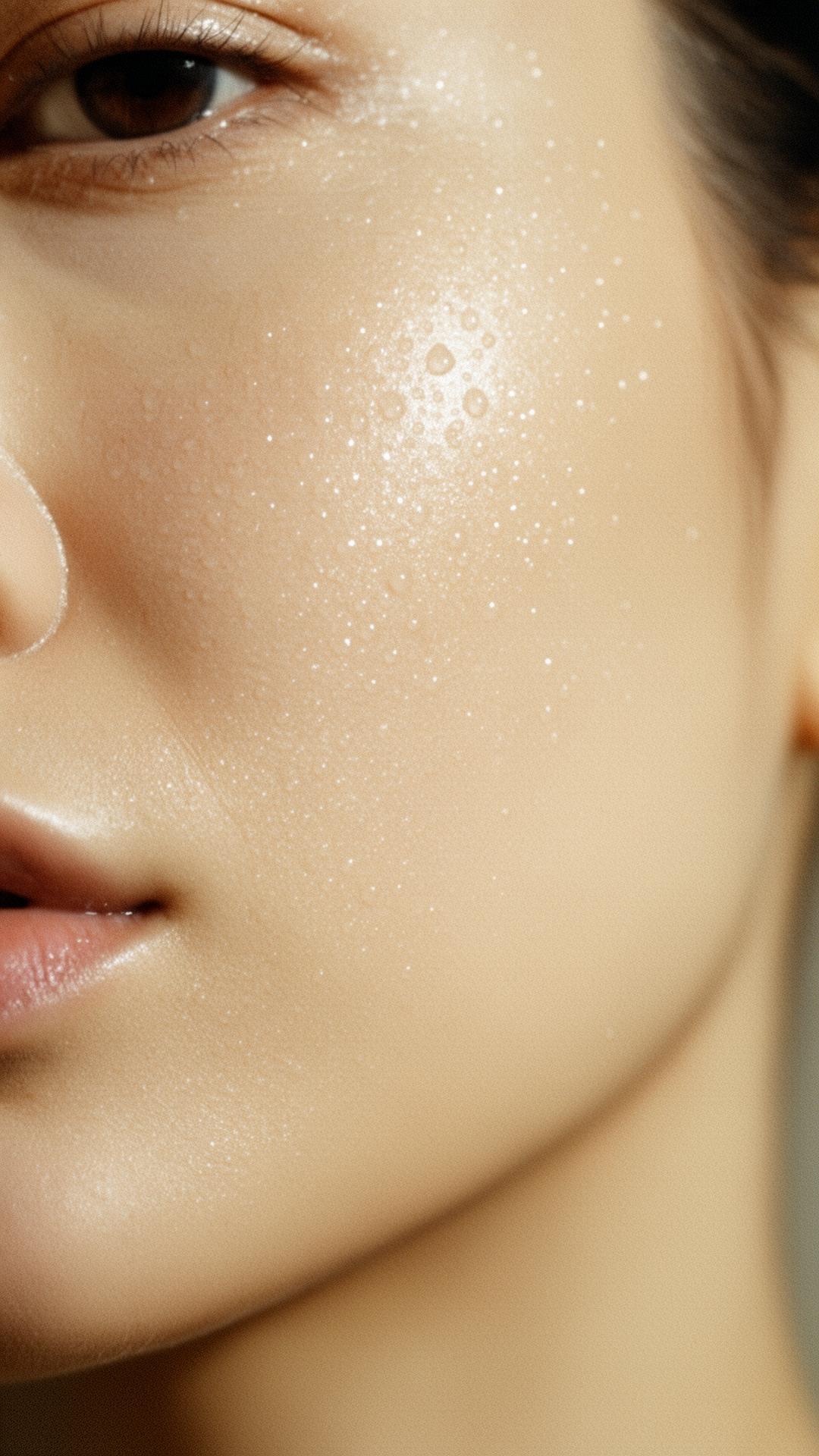
The materials decision for the Fuengirola studio was made before the floor plan was drawn. In treatment environments, material choices are not decorative, they are clinical. The surface the client lies on, the temperature of the room, the acoustic environment, the quality of light: all of these influence skin response during treatment, and all of them are downstream of how the space was built.
Why concrete
Poured concrete does two things that no other wall or floor material replicates at the same cost: it maintains a stable thermal mass, and it does not off-gas. A treatment room that fluctuates in temperature between client visits produces inconsistent skin readings, surface vasodilation responds to ambient temperature within minutes, which affects corneometer and cutometer readings measurably. Concrete, once at operating temperature, holds it. The room we run now fluctuates less than 0.4 degrees Celsius across a full working day.
A treatment room is an instrument. You calibrate it once, carefully, and then you protect the calibration.
The off-gassing point is less obvious but equally important. Many clinical and spa environments use plasterboard, MDF, synthetic flooring, and adhesives that release volatile organic compounds into the room air over years. For a space where clients spend ninety minutes with their face close to surfaces, and where barrier-sensitive skin is being treated, air quality is not a secondary concern. Concrete, stone, natural plaster, these materials do not have that problem.
Brass and linen
Brass was chosen for its ageing properties. Unlike chrome or steel, which remain visually static, brass responds to the environment. It develops a patina. In a practice that is explicitly about longitudinal change, skin that records time, the material choice reinforces the philosophy without making it the theme. The brass does not announce itself. It simply changes, quietly, in the same way everything in the room is designed to change.
Unbleached linen for the treatment linens and room textiles was the easiest decision. Bleached and synthetic textiles have surface treatments that, in direct contact with freshly treated skin, introduce unnecessary variables. Linen softens with washing in a way that improves its surface quality over time, rather than degrading it. A sheet that has been laundered two hundred times is a better clinical surface than one that has been laundered twice. This is not aesthetics. It is materials science applied to a room that is trying to do one thing extremely well.